Is Your Job Causing You Pain?
Do you experience neck stiffness after a long day at your desk?
Does your lower back ache after standing for hours?
Are your wrists sore from typing or using tools repeatedly?
If so, you may be experiencing a workplace or ergonomic injury a growing health concern affecting employees across all industries, from office environments to construction sites, healthcare facilities, schools, factories, mines, etc. Many people ignore these aches and pains, assuming they are simply part of the job. However, untreated workplace injuries can become chronic conditions that reduce productivity, affect quality of life, and even lead to long-term disability.
At FOCOS, our experienced physiotherapists help patients recover from workplace injuries, relieve pain, restore movement, and prevent future injuries through personalized assessment, treatment, and education.
What Are Workplace and Ergonomic Injuries?
Workplace injuries are physical conditions that occur as a result of work-related activities. While some happen suddenly, such as falls or lifting injuries, many develop gradually due to repetitive movements, poor posture, prolonged sitting or standing, or poorly designed workstations.
Ergonomic injuries specifically result from performing tasks in ways that place unnecessary stress on the muscles, joints, tendons, ligaments, or nerves. These injuries often develop over weeks, months, or even years, making them easy to overlook until the pain becomes significant.
Common Causes of Workplace Injuries
Workplace injuries can affect employees in virtually every profession. Common causes include:
- Prolonged sitting at poorly designed workstations
- Incorrect computer monitor or keyboard positioning
- Repetitive typing or mouse use
- Heavy lifting without proper technique
- Frequent bending, twisting, or reaching
- Standing for extended periods
- Repetitive manual tasks
- Poor posture during work
- Slips, trips, and falls
- Vibrating machinery or tools
- Inadequate rest breaks, etc.
Even jobs that appear physically easy can place significant strain on the body when proper ergonomics are not followed.
Common Workplace and Ergonomic Injuries
Some of the most frequently treated conditions include:
- Lower Back Pain –
- Lower back pain is one of the leading causes of lost workdays worldwide. It often results from poor lifting techniques, prolonged sitting, weak core muscles, or repetitive bending.
- Neck Pain –
- Long hours looking at computer screens, mobile devices, or workstations can lead to muscle strain, reduced mobility, and persistent headaches.
- Shoulder Pain –
- Reaching overhead, repetitive lifting, or poor workstation setup can contribute to shoulder impingement, tendon irritation, and muscle weakness.
Repetitive Strain Injuries (RSI)
Repeated movements involving the hands, wrists, elbows, or shoulders can cause inflammation and pain. Common examples include:
- Carpal Tunnel Syndrome
- Tennis Elbow
- Golfer’s Elbow
- Tendinitis
- Wrist and Hand Pain
Typing, writing, operating machinery, or using handheld devices for long periods may place excessive stress on the wrists and hands.
Knee Pain
Jobs requiring frequent kneeling, climbing stairs, squatting, or prolonged standing often contribute to knee injuries.
Hip and Leg Pain
Poor posture, prolonged sitting, repetitive lifting, or standing on hard surfaces may lead to hip pain, muscle tightness, and reduced mobility.
Who Is Most at Risk?
Workplace injuries affect people across many occupations, including but not limited to:
- Office workers
- Healthcare professionals
- Teachers
- Drivers
- Factory workers
- Construction workers
- Warehouse personnel
- Miners
- Retail staff
- Hairdressers
- Hospitality workers
- Security personnel
Regardless of your profession, if your work involves repetitive movements, prolonged sitting or standing, or physical exertion, you may be at risk.
Warning Signs You Shouldn’t Ignore
Seek professional assessment if you experience:
- Persistent back pain
- Neck stiffness
- Shoulder discomfort
- Tingling or numbness in the hands
- Muscle weakness
- Joint pain
- Reduced flexibility
- Pain that worsens during work
- Frequent headaches associated with posture
- Difficulty lifting or carrying objects
Early treatment often prevents minor problems from becoming serious injuries.
How Physiotherapy Helps
Physiotherapy is one of the most effective non-surgical treatments for workplace and ergonomic injuries.
Physiotherapy aims to reduce pain, restore function, prevent recurrence, and facilitate a safe return to work.
At FOCOS, our physiotherapists begin with a comprehensive assessment to identify the root cause of your pain rather than simply treating the symptoms.
Treatment may include:
- Pain Management,
- Evidence-based techniques in heat or cold therapy,
- Transcutaneous Electrical Nerve Stimulation (TENS),
- Therapeutic ultrasound etc, help reduce pain and inflammation while promoting healing.
- Manual Therapy
Hands-on treatment improves joint mobility, reduces muscle tension, and restores normal movement.
- Therapeutic Exercise
Individualized exercise programmes which aims at strengthening weak muscles, stretching tight muscles to improve flexibility, and restoring function.
- Posture Correction
Our physiotherapists assess your posture and teach proper body mechanics for sitting, standing, lifting, and daily activities.
- Ergonomic Assessment
We provide practical recommendations to improve workstation setup, chair height, monitor position, keyboard placement, and overall work environment.
- Education
Understanding how injuries develop empowers you to make lasting changes that support long-term musculoskeletal health.
- Return-to-Work Programme
We create a graduated return-to-work plan to facilitate a smooth transition back to work and advise on modification of duties if need be to prevent re- injury.
Tips to Prevent Workplace Injuries
You can reduce your risk of injury by adopting healthy workplace habits:
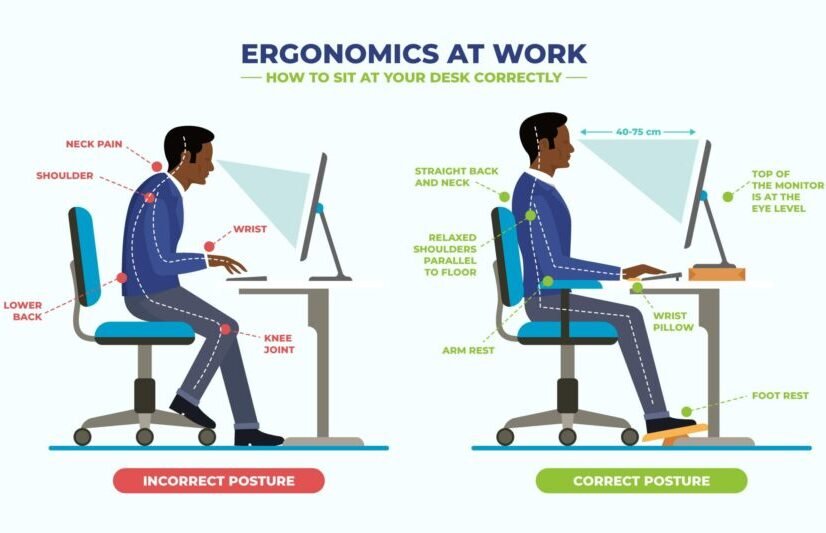
- Maintain good posture while sitting and standing
- Adjust your chair so your feet rest flat on the floor
- Position your computer monitor at eye level
- Keep your wrists in a neutral position while typing
- Use proper lifting techniques; lift with your legs, not your bac
- Take short movement breaks every 30 to 60 minutes
- Stretch regularly throughout the workday
- Alternate tasks to avoid repetitive strain
- Stay physically active outside of work
- Seek professional advice if pain persists
- Small adjustments can make a significant difference over time
Why Choose FOCOS Orthopaedic Hospital?
FOCOS provides comprehensive rehabilitation services delivered by experienced physiotherapists working closely with orthopaedic surgeons, neurosurgeons, pain management specialists, and other healthcare professionals.
Our physiotherapy services include:
- Musculoskeletal rehabilitation
- Sports injury rehabilitation
- Post-operative rehabilitation
- Spine rehabilitation
- Chronic pain management
- Manual therapy
- Exercise therapy
- Ergonomic education
- Balance and mobility training
- Occupational rehabilitation
Whether your pain started at work or has gradually developed over time, our multidisciplinary team is committed to helping you recover safely and return to your normal activities with confidence.
Take the First Step Towards a Pain-Free Workplace
Ignoring workplace pain rarely makes it disappear. Early assessment and treatment can prevent minor discomfort from progressing into chronic injury, reduce time away from work, and improve your overall quality of life.
If you’re experiencing back pain, neck pain, joint discomfort, or other work-related musculoskeletal symptoms, the physiotherapy team at FOCOS is here to help.
Book an appointment today for a comprehensive physiotherapy assessment and personalized treatment plan.
Reach us at 050 163 1214 or 020 000 0856.